
When I was born, my mother was forced to stop working for a year because she gave birth. It was quite hard time for women to be working, they were allowed to work, but there were still subject to sexism if they gave birth, they were unlikely to be promoted, and company boards were all male.
So, as women, we had to work twice as hard as men to be seen as half as good. It’s ingrained in me to work hard, because at some point I’m going to give birth, be moody during PMS, cry because I’m angry, wear an outfit that is sexualised by colleagues, so my work has to work that much harder to have value.
And yes, the world has changed quite a lot since my mother quit working to give birth, and yes sexism is not as prevalent, and sure there are companies led by women, but still, all of us believe in hustle culture.

We always have to be working hard. Once you’re done working on your day job, what is your side hustle? Work work work work work (Rihanna said it best). And if you don’t, you won’t succeed, you won’t afford the life you want, or be able to keep up with the school moms (formerly called the Joneses).
But is it healthy?
Not only have we seen an increase in non-communicable diseases since the advent of hustle culture, but we’ve seen an exponential increase in stress-related illnesses, both physical and mental. But for all us millennials out there (especially the elder millennials), we cannot shake this. We have to work hard always. We will even work when we’re on sick leave. We’ll send emails from our kids sports’ matches.
And even for those of you out there who don’t take your day job as seriously, no doubt you have some side hustle that you are trying to get going so that you can quit that day job that you don’t take so seriously. So you aren’t actually resting (even if you aren’t a work nerd like us).
True rest is doing things that don’t require your brain to work in overdrive (dictionary definition of hustle).
If you’ve trained for a race, you will know that in your last week before your race, you have to taper your training, rest your body to allow it to recover so that it has optimal energy to perform in your race. And it’s the same for life.
You have to spend some time slowing down, smelling the roses, enjoying life for fun’s sake. YOLO is not about living a chaotic life that moves from moment to moment, always being busy, or engaging in risky behaviour.
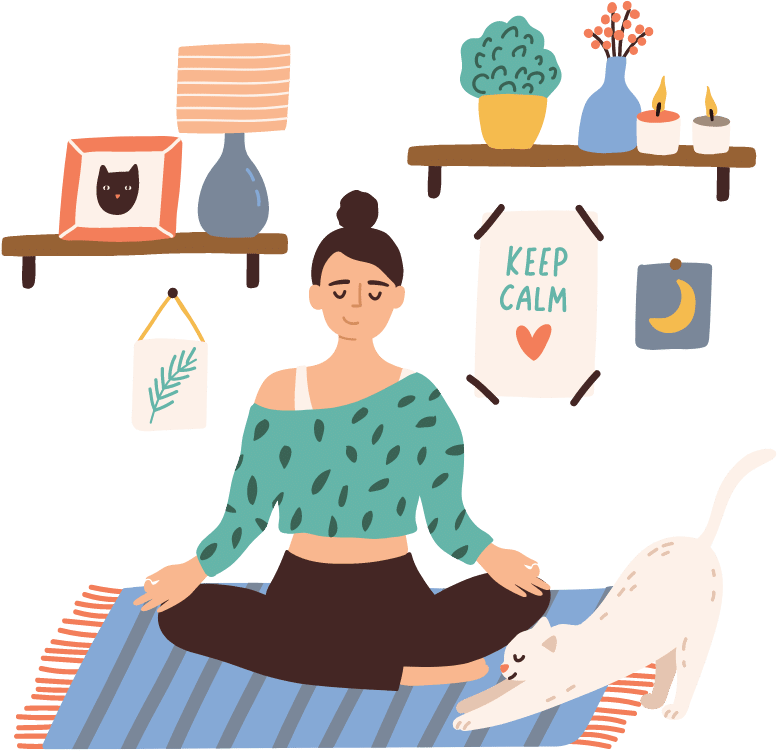
Knowing that you only have one life to live should be about making sure you live it right, that you are able to enjoy it. So give yourself moments of calm, time for reflection, meditation, enjoyment.
It’s ok to not always be hustling.

We need to make time for mental, and physical recovery. And slowing down doesn’t mean poor performance, it means, conserving energy and building up stores for optimal performance later on.
Rest and recovery and not hustling hard er’ry day doesn’t mean underperforming, it means giving your body time to heal, and recover to be able to do better tomorrow. So that you can perform at your best.
Our bodies need nutritious eating, water, sufficient sleep, to operate optimally, and this improves your mental health too. Part of that should be making time for things like meditation, and spending time outdoors in nature, getting enough sunshine, connecting with others, and just doing things you enjoy.
What are you going to do to give your mind and body the rest it needs?

 The Mispronunciation of Me