We all have mental health

When we think of mental health awareness days, our minds always go to mental illness, because yes, these days are about making us aware of mental illness, and understanding them, and destigmatizing them, so that people are comfortable to talk about their challenges, and struggles, and to seek help.

But mental health is something we all have, and those with mental illness, have just been diagnosed with an illness that needs to be managed. Similarly, like with heart disease and diabetes, we can do certain things in our lives, to prevent struggling with these illnesses, despite a genetic disposition to get them. It’s the same with mental health.

We should focus on maintaining our mental health, whether you have depression, or anxiety as an example, or you are just getting through life on the daily. Our lives are more stressful than they have been in years gone by, so we do need to focus on our mental health. And do what we can to stay healthy (both to not have heart disease or depression etc).

For me, the main things that I do are to exercise (at the moment I’m training for a triathlon), writing (like this blog), reading (like my 23 books to read in 2023), socialising with people who energise me (like my friendamily, and work besties), and also playing with my kids (our new favourite is Cluedo). But how you define what helps you stay healthy might be different.

Some of the key themes though, are connecting with others, spending time in nature, journalling, spending time in the sun, daily exercise, meditation, getting enough sleep and eating healthily. I have, however, scoured the internet to see what the experts out there have said.

One of the pages has stated that when we change these behaviours to improve our mental health, we should remember to treat ourselves with self-kindness, and avoid negative self-talk.

  1. Get enough sleep

Sleep, we know, is of utmost importance for physical health, but not enough is spoken of the importance of sleep for mental health. To get enough sleep, try and avoid caffeine in the afternoon, go to sleep and wake up at the same time every day, and keep your bedroom dark, and cool and quiet.

Me with some of the people who energise me, doing what I love, dancing.

2. Connect with people who energise you

    It is important for our mental health to remain in contact with people. Whether or not you define yourself as an introvert or an extrovert, it is important to remain connected to people who energise you. And not on social media, because the dark side of social media – comparison can negatively impact your self-esteem.

    3. Move your body your way

    A traditional way of moving my body

    We need to spend at least 30 minutes a day moving our bodies to improve our  mental health. It doesn’t need to be intensive exercise, something as simple as a walk, or dancing, yoga, anything that moves your body that you enjoy.

    4. Enjoy nutrient-rich foods & drink enough water

    Your dietician might not agree with sushi as nutrient rich, but hey omega-3s.

    We know that we need to eat healthily to keep our bodies healthy, but it’s also important for our minds. To remain mentally healthy, we need nutrients to get the vitamins that are important for our brain function, which helps to keep us feeling good, and energetic too, all promoting good mental health. And don’t forget to drink enough water it has an overwhelming impact on mental health and keeps us healthy and feeling good.

    5. Relax, recover, stress less

    As much as our bodies need to move, we also need to know when to recover. We live in a “hustle hard” culture, but actually, it’s just as important to spend time resting, because recovery also keeps our bodies healthy. Remember to relax your jaw, and your shoulders, rest your body and mind.

    6. Spend time outdoors

    Nature can do wonders for healing, when we spend time in nature, and in awe of the world, it’s been proven to increase happiness, and similarly, nothing beats hanging out with your furry friends, they are happy to see you, and they understand human emotion better than some humans. And make sure you get enough sunshine for that vitamin D which gives energy and improves mood, and many other benefits.

    7. Give to others

    We speak about gratitude and its value for mental health, but related to that is when we do something for other people, it helps with mental health because we are doing something selfless, and selflessness is related to happiness.

    8. Be mindful

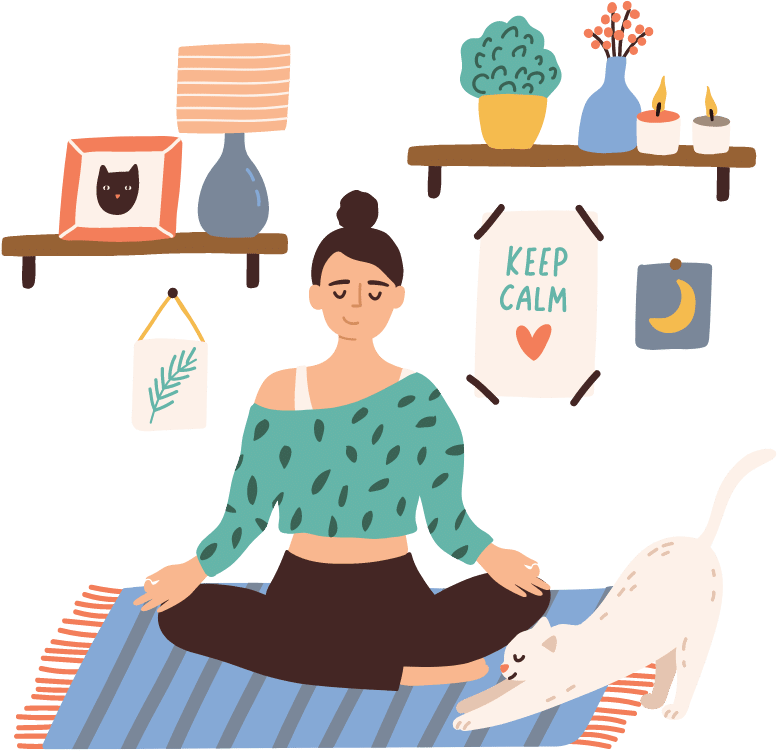
    We spend a lot of time focusing on the past, and planning for the future, but there are so many benefits of being in the present. Spending time in the moment can mean spending a few minutes in meditation, or getting on the floor and playing with your kids, colouring in, dancing, as long as you think of nothing else other than what you are doing in that moment

    9. Do what you enjoy
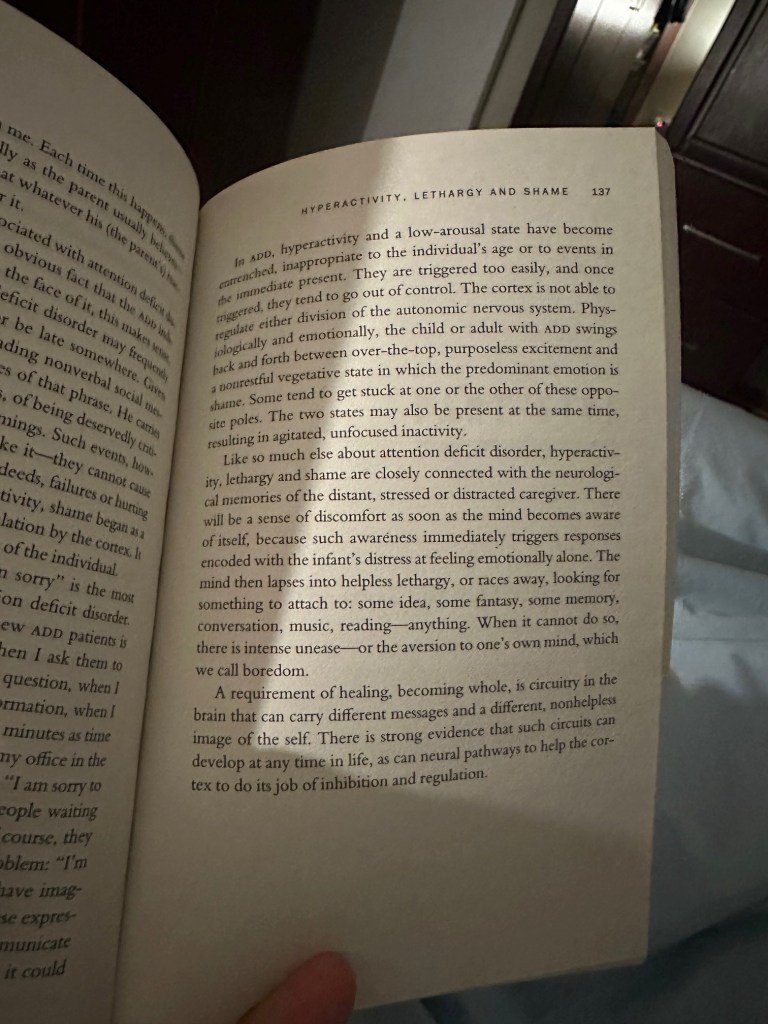
    Me and a book is where I love to be

    What do you really enjoy? Is it photography, writing, reading, painting? If it brings you joy, make time do the things that bring you enjoyment – it’s a no-brainer that it’ll make your brain happy.

    10. Make a selfcare kit
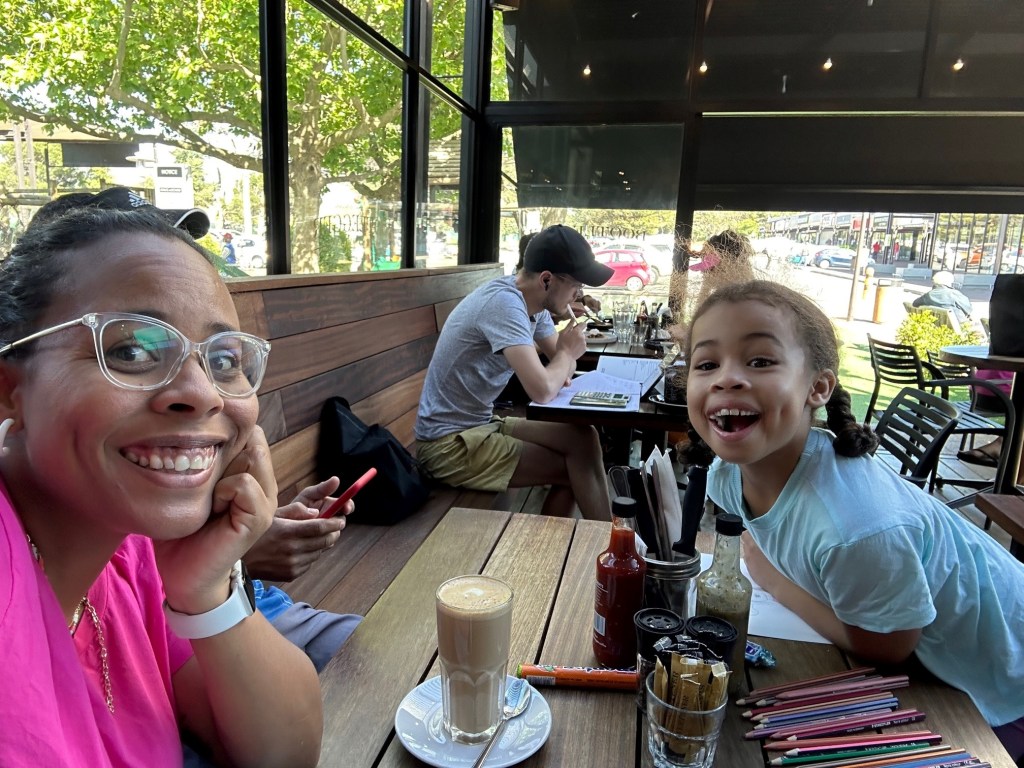
    The type of photo that will end up in my selfcare kit.

      I love this idea that I found on the internet – have a box with all the things that improve your mental health. Photographs of moments that make you happy, colouring books and pencil crayons, your favourite book, hot chocolate, a warm fluffy blanket, your favourite perfume etc. and all you do is open the box, and pick what you need in that moment.

      These are 10 ideas for improving mental health, don’t pressure yourself to do all of them, but start small with things that are easy to do, and graduate to the activities that might require more time or planning. But we all have to work on both our physical and mental health so we do what we can to maintain our health.


      My scarlet letter is U

      Underachiever, underperformer

      Hi, I’m Leila and I have ADHD, and this is a part of my story.

      I was only diagnosed at the age of 35, and the reason I was diagnosed is because my psychiatrist couldn’t understand how I was having the struggles at work that I was having. The only answer was that there was something else impacting me at work. Like ADHD.

      Woman with t-shirt with text that says "extra ordinary"
      Me, newly diagnosed. “Sometimes I’m extraordinary, sometimes I’m just extra.”

      That diagnosis was… life-changing.

      After coming back to work, newly diagnosed and medicated, I sat down with my manager, and explained what I’d learnt about myself and ADHD, and how I could apply it to my work. And while she claimed to understand, and claimed that as a business they were supportive of me and my mental health struggles, they were still going to put me on performance management (a contradiction if ever there were one).

      I met with our company’s mental health ambassador, who validated my belief that without accommodations, a person with ADHD (or any other mental health challenge), shouldn’t be measured directly against peers who do not have the same challenges, and if so, it would be unfair treatment. My manager, having misunderstood what it means to be “fit to return to work”, said that I should still be on performance management because I had returned to work. But legally, what “fit enough to return to work” means is that they don’t have to pay me 75% of my salary for an extended period of not working. It doesn’t mean that I’m not impacted by ADHD nor that they don’t have to provide me with the requisite accommodations.

      Fast forward to 6 months later, and I have shown progress during the performance management period, and I am not dismissed for poor performance. (phew!) Should I have been on performance management for poor performance at all? No. Should they have provided me with accommodations, and then measured my performance for 6 months, and if there was no improvement, then put me on performance management, because then the assessment is fair? Yes.

      Despite surviving performance management, the problem is that once you have been on performance management, you are branded as an underperformer, and then not only was I trying to prove my own performance (like everyone else), but I was trying to perform despite have challenges that my peers don’t struggle with, and having to repair my reputation on top of it all.

      The plot thickens. After the performance management, I had an understanding manager who gave me accommodations for my ADHD, but then I was moved to a different team, and the leader of that team said that to get my accommodations I had to prove myself first, but to be able to prove myself I needed the accommodations. Once again, a misunderstanding of what accommodations were and why they are required for people with mental health challenges.

      Accommodations are not unfair treatment – they are required to level the playing field. And yes, they need to be reasonable accommodations. And in my case, my request was for a half day, or a full day out of office to limit distractions, for emails to include a subject line indicating if it’s an action required or for information only and for my deadlines to be staggered. So not unreasonable. Sure, they didn’t want to buy my R6000 headphones, and that I accepted, but surely I should be able to get some kind of accommodation, or modification of my role?

      Needless to say, without the accommodations, or consideration for my ADHD, I ended up on a final written warning a year later. Listed amongst the transgressions were misreading an email, and a pattern of missing deadlines and poor prioritisation, which, as I stated in my disciplinary discussion, are all symptoms of ADHD – and without support, my performance is unfairly measured by these metrics. In fact, I shouldn’t be measured on these metrics at all. But also, having been on performance management a short period before meant I was judged more harshly than my peers.

      Fast forward a year later, once again, I survived the written warning. And after receiving ADHD coaching, and a leadership change, I was thriving. And I wish it was happily ever after.

      The damage has been done, and despite all my efforts to improve my performance, with no support for ADHD, I have been branded as an underperformer, and even when I perform well, I am viewed through the lens of underperformer so nothing is ever good enough.

      But I continue fighting.

      Because a strength that many ADHD’ers have is resilience – it’s helped me get through both performance management and a final written warning, and I’m still standing and I’m still laughing and enjoying my life as best I can.

      As far as the world has come, and as much as organisations are sharing about their mental health supports, we have a long way before mental illness isn’t stigmatized. What is important, though, is to know your rights, and fight for them. We don’t always win, but if we don’t fight, no one wins.

      Reply to a suicide note that wasn’t sent

      Two hands holding

      Dear present me,

      Yes, you feel hopeless, and yes you feel trapped and like nothing is changing. You consistently scream out “when do I catch a break, life?”. Life is hard (not generically), but your life is hard. And I see you running out of energy to get through each day. I see you crying while driving to work. I see you fighting back the tears, and instead dancing and singing with your kids in the car, trying to find moments of joy amidst your sadness.

      And in these moments where you don’t want to wake up in the morning, I want you to remember the people that do want you to wake up. You may feel lonely, and I see that, but there are people who don’t want to live without you. And when you feel like this, it’s hard to see the people whose faces light up when they see you. But they are there.

      And all I want to say to you, is that if you can just push through these feelings, and try and focus on the next 5 minutes only. Take a moment to breathe, and listen to your breath enter your body, feel it flow through your lungs, move through your body, and then feel it leave, with all the toxins, and all the challenging feelings. Feel the release of the heaviness, even if it’s just for these 5 minutes, and you have to try again later.

      Continue to find those moments of joy in your day. Sing out loud in the car. Dance with your kids. Do some night time yoga. Watch some silly, irreverent, TV. Go for a coffee. Play tennis. Meet a friend. Go swimming. Journal. Read. Colour. Write. Ask for help.

      Whatever you do, or feel, drag yourself into these things that bring you enjoyment. The point of them is just to bring you outside of your head. Where it is not dark, where it just is. And to bask in just being for a moment.

      From,

      Future me

      SADAG suicide hotline. Available 24 hours, in 11 languages: 0800 567 567

      Know your limits

      Love yo self series part 3  

      Line drawn on road, with shoes on either side

      Boundaries. Something that is very important to me. Learning about boundaries was my light bulb moment in therapy.

      Sometimes, we go through life, struggling, feeling hurt, suffering with depression and anxiety, and just not understanding why, or how to heal, or change situations so that we don’t feel these ways. And this was me, I had been in therapy for a while, and we had delved deep into my past, my relationships with all the people in my life, multiple diagnoses, and still we couldn’t figure out what was the issue. Until I sat in a lesson on boundaries.

      I remember going, ag, I know what a boundary is. Until we started talking about the different kinds, about how we don’t hold our boundaries with others, but also with ourselves. Yes, you will always have people who encroach on your boundaries, or test them, but once you are in a habit of holding your boundaries, you can maintain the good mental health that comes from that, no matter what others do.

      Circle with "your space" and circle with "their space" and the overlap labelled as boundary

      What are boundaries

      A boundary is what defines what a healthy interaction with other people is for you. It’s the outer limit for where you are comfortable in relation to others.

      And they are scary, and when we first start exercising these, you can get a lot of resistance from others, especially from people who are not used to you having these boundaries. Also, it can feel uncomfortable to hold these boundaries, which is counterintuitive based on the definition, but it feels weird in the beginning so that you are comfortable in the future.

      The benefits of boundaries outweigh the awkwardness you initially feel when setting them though. Benefits like improved self-esteem and relationships, conserved emotional energy, being able to grow and be vulnerable. Also, it’s key to remember that boundaries can be flexible, depending on the people or surroundings.

      Types of boundaries

      There are a lot of different boundaries that we can exercise, and that relate to different areas of our identities or our lives. Some of these categories, I’ve listed below

      • Physical/personal space: relating to your body and the contact people can have with you
      • Sexual: relating to your sexuality and what you are comfortable with
      • Intellectual: relating to your thoughts and opinions and what you do with them
      • Emotional: relating to how you feel and what you feel and feeling your feelings
      • Things/possessions: relating to what belongs to you and what you want to do with them
      • Financial: relating to how you spend your money and what you choose to do with it
      • Time/energy: relating to where and how you spend your time and what you do
      • Culture/religion/ethics: relating to your choice of beliefs that you want to follow
      person drawing a circle around themselves with highlighter

      How to set and maintain good boundaries

      1. Know your limits

      One of the first steps in having boundaries, is knowing what they are. So start by defining your boundaries in terms of the different areas. You need to know what your boundaries are in order to protect them. Know up until which level you are comfortable, so that you can say to others that they are overstepping. Your boundaries can be defined according to your values, your personal beliefs, and what your gut generally tells you about what you feel comfortable with.

      • Be assertive

      One of the things you will read most often when it comes to setting boundaries is to be assertive when you are setting your boundaries, or holding them. Be confident in what is important to you and what you believe about what makes you comfortable, no matter what category of boundary is being encroached. People may not understand and continue to encroach on your boundaries, however, it’s important that you stand your ground and remember why you need the boundary, and why you are communicating it.

      • Learn to say no

      No is a full sentence. But when you have grown up, taught to be a “nice girl” and hence grew up to be a people pleaser, means you struggle to say no, and feel the need to always give a reason, to make people feel more comfortable. Holding boundaries, though, is about making sure you are comfortable and asserting what you need to feel secure in this world. It’s ok to say no.

      How to boundary: say this: no.
      • Practice makes perfect

      Holding boundaries is a skill, and if you grew up without boundaries, then you need to learn that skill. It takes a lot of practice, it’s not easy in the beginning, but don’t get disheartened, keep at it, because it’s taken people a lifetime of holding boundaries to get it right, and if you are starting in adulthood, you need to give yourself time to get it right. So keep going, the more practice you get, the better you’ll get at holding boundaries.

      • Get support

      Reach out to supportive family and friends and, if you have access to, psychologists/psychiatrists/social workers for support in holding your boundaries, defining them, and perspective on if you are being too rigid because you are uncertain on how to have boundaries because you have never exercised them before.

      Something we don’t often speak of is boundaries for others – other people have boundaries too, and if we have grown up without boundaries, we may have unknowingly encroached on the boundaries of others. So key things when trying to notice others asserting their boundaries are:

      drawing of woman behind a fence
      1. Watch for cues

      People will show you that they are feeling uncomfortable so look out for body language that suggests they are no longer comfortable with what you’re saying, how close you are. If they are consistently saying no, take no for an answer, if they are disengaged in the conversation and not saying anything or just nodding and using interjections like uh-huh, or hmmm, or I see, it’s possibly them giving an indication that they are no longer comfortable.

      • Be inclusive of neurodiverse behaviours

      People who are neurodiverse can either have boundaries which are much looser, but also much stricter, and we need to take that into account. Sometimes they can become overwhelmed, or uncomfortable a lot quicker than others, so be aware of these moments, and we have to accept that there are many different people out there who have varying degrees of boundaries that we are not always going to understand.

      • Ask

      When all else fails, don’t be afraid to ask people how they are feeling.

      woman in a bubble with people crowding
      Young woman sitting inside transparent glass bubble and crowd of people. Concept of separation from society, social isolation or solitude, unsocial person. Flat cartoon colorful vector illustration

      I hope this has giving some clarity to boundaries, which are all over the internet and social media at the moment, but it’s not always clear of what it means to hold a boundary or the gravity of not having boundaries, and the impact on your mental health when you do eventually manage to assert your boundaries.

      Resources

      https://psychcentral.com/lib/10-way-to-build-and-preserve-better-boundaries#types

      https://www.healthline.com/health/mental-health/set-boundaries#learn-other-peoples-boundaries-too

      https://www.psychologytoday.com/us/blog/romantically-attached/201608/4-ways-set-and-keep-your-personal-boundaries

      https://psychcentral.com/lib/what-are-personal-boundaries-how-do-i-get-some#what-they-are

      Have an attitude of gratitude

      The love yoself series part 2

        I had a few sessions with an ADHD coach about 2 years ago, and one of the things that stood out for me in one of our first sessions was when we were in the middle of our session, and my kids came rushing into the lounge and climbed all over me to greet me when they got home from school. I immediately apologised for the interruption and in response, the coach said to me, “Don’t apologise. Be grateful that you have children who can interrupt you to show you love”. That, as they say, was a watershed moment for me.

        As a person who struggles with clinical depression, remembering what I am grateful for in this life is helpful, having a list of things I’m grateful for that I can refer to when I’m really low is mental health first aid for me. My gratitude log (which is what I call it in my bullet journal) is a list of things in my life that I’m grateful for, but also reminders about me as a person and what I like about myself and that I’m grateful for.

        Gratitude is the best attitude, surrounded by leaves

        According to Psychology Today, the 7 scientifically proven benefits of gratitude are:

        Although I can see the surface level benefits for myself, I have wondered what is the psychology behind gratitude, is there any scientific benefit to it? Because it can feel really pointless, or fake, if you cannot see the value in it.

        1. Having gratitude helps build connection and relationships.

        Acknowledging someone’s contribution to your life, even if it’s something small, like holding a door open, makes an acquaintance desire to seek an ongoing relationship. So being thankful can help you make friends (it really is a magic word)

        • Gratitude improves physical health.

        Grateful people are less likely to experience health challenges and are more likely to take care of themselves (which is probably why they are less likely to experience health difficulties). That’s reason enough for me, I’m grateful that I am able to participate in sports like triathlon, because I don’t get bored, and it’s always a challenge for me.

        • Gratitude improves psychological health

        Being grateful can reduce the experience of emotions like envy, resentment and regret as it’s been known to reduce depression. It makes sense because if you are looking at your own life and what is great in your life, it’s very hard to be jealous of what others have because maybe they make more money, but they don’t have a family, for example. Also, it’s very hard to feel regret if you are grateful for the life you have experienced, instead of longing for a life you don’t have.

        • Gratitude enhances empathy and reduces aggression

        Grateful people are more likely to behave in a prosocial manner (also going to win you some friends). In the studies where they have measured gratitude, they found that grateful people are more likely to behave more kindly even when others aren’t showing the same type of behaviour. And I guess, if you start your day being thankful for life’s small mercies, it only matters what you do, and not how others choose to live?

        • Grateful people sleep better

        People who write in gratitude journal before bed have found to experience better and longer sleep. I may have to try this one out, because I sometimes forget what sleep feels like. I don’t know when last I woke up well-rested, so on some days, I need to end my day with gratitude.

        • Gratitude improves self-esteem

        Gratitude has been known to reduce social comparisons, which in tern, helps build self-esteem, because the focus goes from envying someone else’s life, to appreciating your own life, and being able to appreciate other people’s accomplishments, without feeling resentment.

        • Gratitude increases mental strength

        Grateful people have been found to be more resilient in the face of trauma. The basis of this is that being able to recognize what you have to be thankful in your life helps you to build resilience for those moments when you are struggling with a really challenging situation.

        The key message I have taken out of all the reading I have been doing on gratitude and self-love, is the renewed focus on yourself, and teaching yourself to appreciate who you are and what you have achieved, what you have in this life. It’s something small, you can do it when you wake up.

        I challenge you, for at least 30 days, to write down one thing that you are grateful for each day. Find those things in your life that will remind you why you should love yourself.

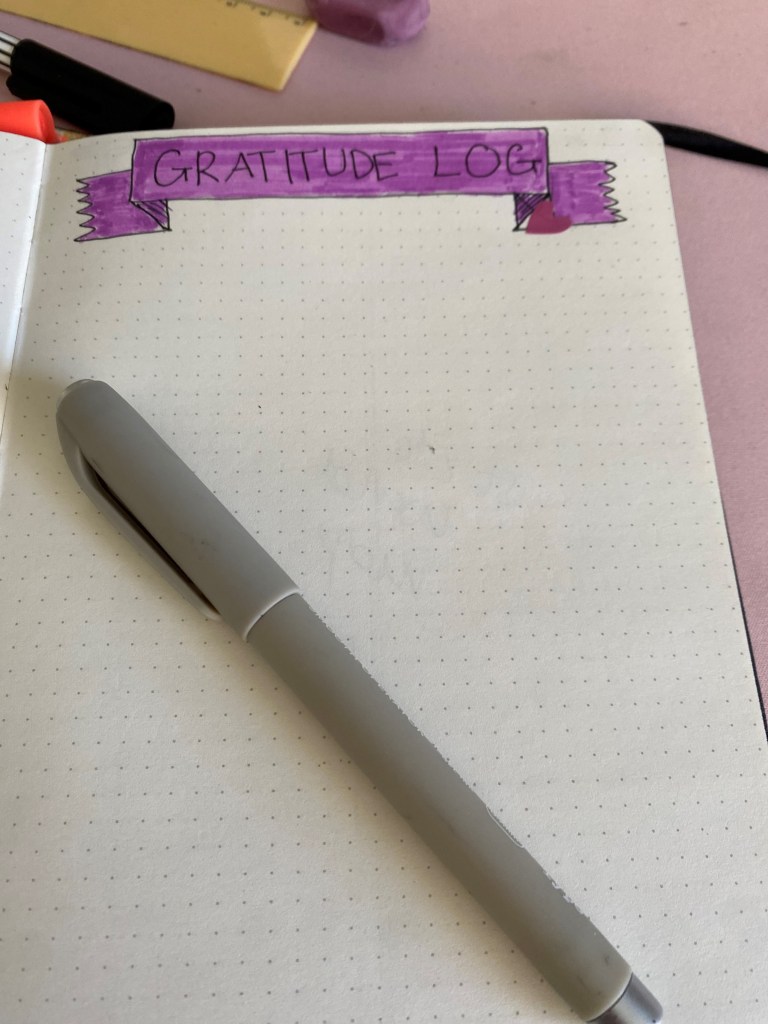
        Blank page, with header "Gratitude log" and pen lying on the page

        Resources:

        https://www.psychologytoday.com/za/blog/what-mentally-strong-people-dont-do/201504/7-scientifically-proven-benefits-gratitude

        It’s beginning to look a lot like F*%@ this

        I’m going to be honest. I love Christmas. I am one of those nerds who loves the magic of Christmas. And I try and make Christmas the most wonderful time of the year for my kids. We bake, we do secret Santa, we wrap our Christmas presents, we decorate the tree together, and Elfie runs amok at night. Christmas is magical, and family-oriented, and based in Christianity (for us).

        Elf on the shelf on candy cane sled on staircase bannister
        Elfie running amok

        And if you had to ask me about Christmas growing up, I will tell you the same. Christmas was a magical time. We went to Noddy parties, we decorated the tree (including fake snow), we listened to Christmas music, we wrapped gifts for our family, and the Christmas food was untouchable.

        But the truth is, as a child in my family, all credit for experiencing the magic of Christmas is on my mom. She made it special. There were a lot of challenges in my childhood, a lot of sadness around Christmas. We lost my grandfather a week before Christmas, most of my family is divorced, or blended families, family members have been ostracized for bad life choices. It’s a hotbed of family dysfunction. But all I remember is magic.

        But being an adult, and having the ability to see that, is very different. So, although I would always come home for Christmas when I lived away from home as an adult, I did so because of my love of Christmas. But as an adult, I know there is no Christmas magic, so yes, it’s a lot harder.

        Christmas as an adult means spending time with people we don’t necessarily get along with for the sake of “family”. It means returning to toxic environments and situations and being catapulted back to all those challenging childhood feelings – regressing almost. Adults have expectations loaded onto us, and responsibilities to be a grown up in all situations.

        Needless to say, what I’m getting at, is that Christmas, or the festive season, is hard for many people. For some it’s not the obligation of seeing family you don’t want to, but actually, the loneliness of not having a family around, or grieving loved ones, financial burdens, fatigue from a hard year. The end of the year is an emotional minefield.

        With this in mind, I have curated some tips for surviving festive (with your mental health intact)

        • Plan ahead

        I used to love, and I mean love, shopping on Christmas Eve. It gave me a rush, which I now know was actually related to ADHD and needing that dopamine hit, by gamifying my Christmas shopping – will I have all my gifts by the time the shops close or not? But in reality, the buzz and overwhelm of all the Christmas specials, the decorations, the people, is a lot. So, it’s best to plan out your shopping, and give yourself a deadline early in December to finish your Christmas stuff, and then you can sit back and relax while the rush continues around you.

        Also, plan out your time, so that you don’t have to accept every social event that comes across your whatsapp – make time for the people you want to see, but also time for yourself to rest and recuperate. And if you don’t want to host Christmas lunch because it will give you too much anxiety, don’t say yes out of obligation. Hold yourself accountable to yourself and say no for your own mental health.

        Gift in Christmas wrapping
        Secret Santa gifts
        • Set a budget and stick to it.

        We all joke about Janu-worry, because we all overspend at Christmas time and then don’t know how we are going to make it to the end of January. We feel obligated to buy everyone gifts, and big gifts (I mean, it’s Christmas). We also feel obligated to go to all the social events we are invited to. So, budget your resources so that you don’t have the post-Christmas financial burden stressing you out, and also your own time and energy to rest and recover before you return to work/school/university in the new year

        Christmas plates with biscuits, hot chocolate and apple
        Treats for Santa and his reindeer
        • Tis the season

        It’s festive! Which gives us reason to eat and drink more than we should, but it doesn’t count because it’s over the festive period. And then 1 January hits, and we are hit with guilt for putting on weight, and all the things you said at the work year end, or to your mother-in-law because you did take on Christmas lunch and got drunk to manage your stress.

        So two things, we all know our limits, and how they make us feel. If you don’t want to stay in bed for an entire day, don’t drink so much that you are forced to, but if you do, don’t feel guilty, because what’s done is done, all you can do is rest, recuperate, and remember that tomorrow is another day. What I’m saying is that don’t beat yourself up for a few extra kilos, or one too many drinks. Just remember to be true to you, and what is good for you.

        I’m sure you would have read it all over the internet when it comes to advice about looking after yourself: Set your boundaries, and stay true to them – don’t do anything you don’t want to do. Remember that even if the festive season is hard, it does have an end, this is not forever. And think of that when you are spiraling because of negative interactions. Also, make sure you make time for yourself – you can take proper time out like going to a movie, take yourself to coffee, go for a run, read a book. Do things that take you out of your head.

        • Manage relationships

        Like I said before, Christmas can be challenging because you may be forced to interact with family you don’t necessarily want to. There are, however, ways of managing difficult family members, and difficult conversations that you don’t want to answer about your weight, non-spouse, lack of children, lack of success at work etc.

        Think of answers to questions you expect to get, in advance, so you are prepared to answer and aren’t thrown off by questions out of left field. If you do get stuck in a difficult conversation about topics you’d rather not talk about, prepare exit statements, or ways of changing the subject. If you really cannot get out of the topic, suggest an activity to be able to move on, like ‘hey I need to go help set the table’ for example.

        Mom and daughter with painted nails in red and green
        Me and my daughter getting our nails done together

        You can also start your own traditions, things that make you happy. Once my kids were old enough, I was able to start my own family traditions. Through this I’ve been able to preserve the magic of Christmas, as an adult. But your tradition could be watching a movie by yourself on the 26th. Getting a special coffee by yourself on the 23rd of December. It can be anything.

        At the end of the day, Christmas is punted as a special magical happy family time, but for a lot of people it’s stressful, and lonely, and triggering. All we can do if we are obligated to be in situations we don’t want to be is to remember that we are in control of ourselves. We don’t have to engage in conversations or with people that we don’t want to. If we have left an event feeling deflated, we need to take time out for ourselves to return to ourselves, no matter what that looks like.

        Be you, do you, love you.

        Woman with earrings that look like baubles

        Resources:

        https://www.mind.org.uk/information-support/tips-for-everyday-living/christmas-and-mental-health/christmas-coping-tips/

        Get real

        I recently went on a bit of a rant with a friend, complaining about people who are not transparent or open, and how I’m just authentic to a fault and it’s important to me but maybe not to everyone else. But what I’ve learnt though, in the last few months, is the importance of authenticity within your mental health journey.

        It was in a moment where I was joking with a colleague (followed by me questioning why I was oversharing to such a degree), about how I keep myself so busy to avoid my feelings. And then my psychologist red-carded me for doing the same with my therapy. So there it was. I avoid my feelings. And that is one of the things that was making my mental health journey inauthentic and stagnated.

        I put a lot of work into my self-esteem and self-love journey, but for me to start healing in a big way, I need to stop running and start acknowledging those feelings.

        Cartoon of characters representing different emotions in Inside Out movie.
        Inside Out movie

        We always hear how we have to be true to ourselves, but what exactly does that even mean? I was called out for not have “self-integrity” and while I consider myself to have a lot of integrity in normal everyday life, I was forced to admit that that was true.

        It comes from being a people pleaser. We do and say whatever we think the other person wants to hear. And we deny ourselves. Zero integrity for self. Because what if what they are saying is against your values? What if it’s in direct contravention of your beliefs? Why are you not standing up for what you believe in?

        And when it comes to your feelings, and your needs – are you denying these? Are you allowing the feelings and needs of others to be more important to yours, and thereby, denying yourself feeling your feelings? Are your behaviours in line with your values, and what you believe in and your needs and feelings?

        For example, I hurt my wrist recently, and instead of resting, I have been doing all the things, because I don’t want people to think that I’m lazy or unhelpful. But the reality is, I am denying myself the healing process.

        Woman posing with flowing dress.
        What depression looks like – me looking happy just before a psychiatric clinic admission

        And it’s the same with being our authentic selves and staying true to what we need. If we go against what we truly need in a moment, we are not being authentic towards ourselves. We are denying ourselves. And we don’t always consciously do it, sometimes, we do it out of habit, fears of rocking the boat, fears of not being liked. But if it costs our mental health, it’s not worth it.

        And it’s not about being mean, or cruel, or hurting others – it’s just about staying true to yourself. So, if you need to rest on the weekend, and a friend invites you out, say that you cannot join, because your need is for rest and recovery. And that is more important than doing something for someone else’s reasons, and neglecting yourself.

        A couple of years ago, a movie poster had the subtitle, “If you don’t stand for something, you’ll fall for anything”, and while it’s a cliché, I’ve never forgotten it. I was forced to remember it in this moment where I realized that the people pleaser within me was falling for anything. And for someone who has convictions as strong as I do, that was a hard pill to swallow.

        Standing up for ourselves feels mean to us, because we spent our entire lives being mean to ourselves, by not standing up for ourselves.

        I am pledging to look after my own needs and emotions. If I feel down, I am going to allow myself the space to feel that emotion, even though it may not be accepted by the people around me. I am not going to pretend to be happy just to appease everyone else. I need to experience the emotion to work through it.

        I pledge to be truly authentic.

        To know yourself is to love yourself

        Love yo’self series

        The first step in learning to love myself, was getting to know myself. To start doing all the things that I enjoy, to go back to my childhood to all those things that I did because I loved them but maybe stopped them because someone judged me for it. To think of things that I like, if no one knew I was doing them. What would I do, if I was completely free of judgement? What would I do if I knew no one would find out?

        All these questions to truly find out what makes me tick, without fear of anyone shaming me, or putting my interests down, no fear of not being interesting enough or cool enough or good enough. Just me, figuring out who I am.

        Woman in front of sign that says "love"
        Me and all my quirky

        Part of this journey, and to gain self-knowledge, meant that I had to start spending time by myself, to figure out who I am, and what I like. It’s almost like dating, you go out with a person, and over a series of outings you learn about who they are, what they like, what they don’t like, and whether or not you are comfortable with this person. And self-knowledge is exactly like that.

        You spend some time with yourself. Talk about your past, how you grew up. So with yourself, you think back to your childhood, and who you were, and what energized you and what you were passionate about. What could you do, or talk about, for hours without getting bored.

        As a mother of two, with a time-consuming job, it’s not always easy for me to find these moments, but I try and create them where I can. If I have 30 minutes spare on my weekend, I’ll go for coffee by myself, and journal, or colour in. Or if one of my kids has a party, I drop them off, and then use the next two hours to be by myself, and figure her out.

        Also, think about what is important to you – just you, whether or not society, your family, and friends will agree with them, or think they are bad or good. None of that is important – it’s just about what is important to you. Later on, you can decide if this is the person you want to be and you can always readjust your values. People are always growing and changing, and while you are on a journey to know yourself, doesn’t mean that who that person is static and unchanging.

        Last year, I was lucky enough to have an ADHD coach and we went through my values, and there were a lot of values that I thought I had, but when she asked me to write down all the things that I wanted to do with my life, frankly I had to admit that wanting to go snowboarding, and complete an Ironman 70.3 had nothing to do with humility. And for someone as health conscious as I am with a strong interest in how the body works, and keeping fit, and wanting to be a triathlete again, not once did I mention health as one of my values.

        We worked through a lot of self-limiting beliefs I had, especially around money, and unpacking my thoughts around “the love of money is the root of all evil”. A lot of my values had to be re-thought because the good girl people pleaser in me wrote down my first set of values, and I had to go back and be real about who I am, not who I want people to think I am. It was not easy. And I’m still working on it.

        Are there any activities, or things you have always wanted to try but didn’t because of whatever self-limiting beliefs, or judgement from others? If you have the means, try these things out, see if you like them. See if they fit into who you want to be. Do you enjoy them? Then roll with it.

        Towards the end of last year, I had a random thought about wanting to do tennis. And because my kids were interested in doing tennis, I thought I may as well, because then it can be a fun activity that we can play together. I started Tennis coaching, and it was like a light went on. I had so much fun, and I had clearly forgotten how much I enjoyed playing tennis as a kid. I recalled that I had played from about the age of 10, all the way to the end of high school. I didn’t place any value on my enjoyment of the sport because I only played socially, I never tried out for the team. But, I had to admit to myself that this is something I really enjoyed.

        This journey of self-knowledge has been a hard one, and I’m still learning new things about myself every day. Sometimes it’s this great feeling of learning something really positive about yourself that you hadn’t realized before, and other times you have to admit to yourself that you have qualities that are maybe not that likeable. And you can keep them, or put them in the self-improvement bucket, but as long as you acknowledge all your parts… and we’ll get into the self-love and acceptance part later. But for now, all we need to know is who am I?

        Love yoself:

        Self love is the best kind of love

        Cartoon woman dancing surrounded by butterflies with text stating self love is the best love

        I recently had a breakthrough in therapy, which, to be honest, while I’m going through it, feels like a breakdown. As I was speaking, all my psychologist said was, you can cry here, and as she spoke those words, I thought, ‘But I don’t need to cry’, and before I knew it, I was bawling about why I don’t matter.

        But more important, than my incredibly vulnerable admission, is what came next. The realization that I do not love myself (more vulnerable admissions), and while for the longest time, I ‘knew’ this, I didn’t actually know it.

        Following our appointment, where she allowed me to cry and talk for 15 minutes after my allocated time, she sent me multiple links about self-love, and how to develop self-love, which I then binge watched when I got home.

        I think I had spent a lot of brain power rationalizing and trying to understand the origins of self-hatred and what happens when you don’t love yourself, and what it looks like. And a lot of cerebral thought analysing my behaviour, and relating it back to feelings of self-hatred. It was all educational and in my head.

        But finally, in the month of love (when I said recently, I meant February), I realized what it felt like to not love yourself. And why I didn’t love myself. And how I allowed myself to remain in situations that continued to validate my feelings of self-unlove.

        "A new start and way to go" with stars at the top and bottom

        But the real work begins now. I bought myself a beautiful journal with a motivational message about thriving on the cover, etched into a colourful image of plants and flowers (always start with a beautiful journal). And I took copious notes from the youtube videos from my psychologist. I did some desk research on sites like psychologies, and school of life, and this is what I learnt so far:

        The academic stuff

        According to Psychology today, self-love is comprised of four elements: self-awareness, self-worth, self-esteem, and self-care. What this means, is that we need to become aware of our bodies, and our feelings, and how they are expressed within us, and how to identify our emotions. Self-worth is then acknowledging what the good parts of us are – we all have them, but the world we grew up in tells us that it’s not enough, it’s reconnecting with what you deem to be your good parts (they’re in there). A high self-worth leads to a high self-esteem. Self-esteem is all about how comfortable you are with yourself and where you are in life. It’s being ok with yourself and your good (and bad) parts. Finally, self-care is all the activity we do to keep ourselves (both body and mind) healthy.

        A journey starts with the first step

        Pink background, with woman hugging herself, surrounded by bed of flowers, with text saying welcome to my self love journey

        I’m in the beginning of my self-love journey, and so far, I’ve been focusing on getting to know myself, by doing things that I enjoy, or enjoyed in the past. It’s almost like starting to “date myself”, well at least, using the same principles of dating. When you start dating someone, you spend a lot of time getting to know them, and what makes them tick, figuring out if you like them or not. So, I need to spend time with myself, to learn who I am, and what I like and don’t like.  

        Feel free to follow my monthly series of “Love yoself” posts, as I continue along my self-love journey, and share what I learn. Watch out for the first post of each month.  

        Some further reading:

        https://www.psychologytoday.com/za/blog/the-upside-things/201911/self-love

        Hustle hard, Rest harder

        We live in a culture of always being hustling, of rest being for the weak, of being busy as the sign of a fulfilled life. And every year, we make New Years resolutions or SMART goals for everything that we are going to achieve, we have bucket lists and 30 before 30 lists, all focused on achieving things.

        Text saying Stay Humble Hustle Hard

        Don’t get me wrong, self-improvement, and living a goal-oriented and purposeful life is good. Wanting success and having that desire driving you forward can be good for you. Provided that you are doing it for the right reasons.

        Living in a capitalist society has taught us that we always have to be working and that rest is for the underperformers. And that is where the problem with a goal-oriented life lies. Not having the goals or living with purpose or wanting success, but when hustling and being driven start impacting your life in negative ways. We should be wanting all these things because we want them, and not at the expense of our physical and mental health.

        I usually start out my year with goals in all the different areas of my life, and I always start the year hopeful and full of optimism, and as the year draws on, I get further and further from achieving those goals. And I blame the busyness which I have traditionally imposed on myself.

        Woman in yoga pose

        What I have been learning is the value of resting and being mindful. And while mindfulness has been a buzz word for a while now, there is so much information and research backing the value in mindfulness. It has been shown that there are definitive changes in our brains as a result of being more mindful. And just as other mental illness impact the brain function, mindfulness can counter this.

        Mindfulness doesn’t have to be a big activity, such as an hour long meditation. It can be slowing down as you make your coffee or tea, and only thinking about what you’re doing, as you put the coffee in the cup, add the sugar, add the milk, and so forth. It can be putting on your favourite song and dancing for 1 minute. Spending 30 minutes colouring in when you have more time. Having your morning coffee outside in the garden. All it requires is for you to be in the present moment.

        And as you spend more time in mindfulness, you will slowly start to see the impact, like when you get angry, as you experience the fire filling up your belly, and your jaw tightening, you will have more time to process the anger and decide how you want to express it. And that is just one of the benefits, being able to be present with emotions, and feel them and express them instead of reacting to them.

        Heart and brain doing yoga, with text stating Balance your life

        Being mindful has been shown to work wonders for anxiety and depression because instead of focusing on the past or the future (or both, in my case), you focus on the present moment, and what you can achieve now, and in that way, you are able to break down your goals, and what you want to achieve, into more manageable tasks, and feel less overwhelmed, and more in control of your time, your emotions and yourself.

        While it may be counterintuitive when talking about goalsetting, let’s make one of our goals for this year to be more mindful.