
When you think of trauma, what do you think of? Do you think of moving house? Or do you think of death? Or war? Or do you think of growing up with a drug addicted parent? What about never being hugged as a child?
One definition that I’ve read is that psychological trauma is a response to an event that a person finds stressful. That is why many people can experience the same event but only some of them are traumatised by the event and others manage to brush it off. Because like Gabor Mate says, “Trauma is not what happens to you. Trauma is what happens inside you as a result of what happens to you”. The experience is personal, it relates to what you are able to handle, and what you find stressful. That is why you shouldn’t feel shame that you are struggling to cope, but others who went through the same thing, or worse, are seemingly fine. Because psychological trauma relates to how you feel inside.

So how do we respond to trauma? What does it look like?
There are the relatively well-known responses, which include Fight, Flight, Freeze, or Fawn. Fight can be described as the person staying to fight the challenge, and this can look like aggression or bullying when it’s unhealthy, or assertiveness, or standing up for yourself when it is healthy. Flight is where the person responds by avoiding the conflict by leaving the situation, and this can be unhealthy if the person never actually deals with what is happening, by disassociating, but can be healthy where the person leaves a situation that is unhealthy, for example, in domestic violence situations.
Additionally, trauma responses which are not as well-known are freeze, which is where the person is unable to act, they struggle to make decisions, or do anything. When this is unhealthy is when the person completely shuts down and does not engage in relationships, or refuses to act when they need to, however, this is healthy in situations where were the person to take on all the emotions of the situation, they would be overwhelmed because they are not ready to deal with what is happening. The fawn response is more known as people pleasing, because in response to conflict or challenge the person will do anything to appease other people. This is unhealthy when they forego their own needs or identity in favour of the other person, but it can be healthy where compassion and empathy are needed in the situation.

So what can you do to manage your triggers or trauma?
- Get your body moving – I’ve spoken about it before, but any form of body movement helps with managing your mental health when you are struggling. It helps you get out of your head, but also helps you process the feelings within your body.
- Try not to isolate, although it may be preferred. Talk to people that you trust, because it can help you process what you are feeling, and there are the benefits of social interaction that help to manage your mental health. Sometimes it is better to be with a group of people to ensure that the interaction is light if that’s what you need. Speak to a professional if you need to, and if you have access to one.
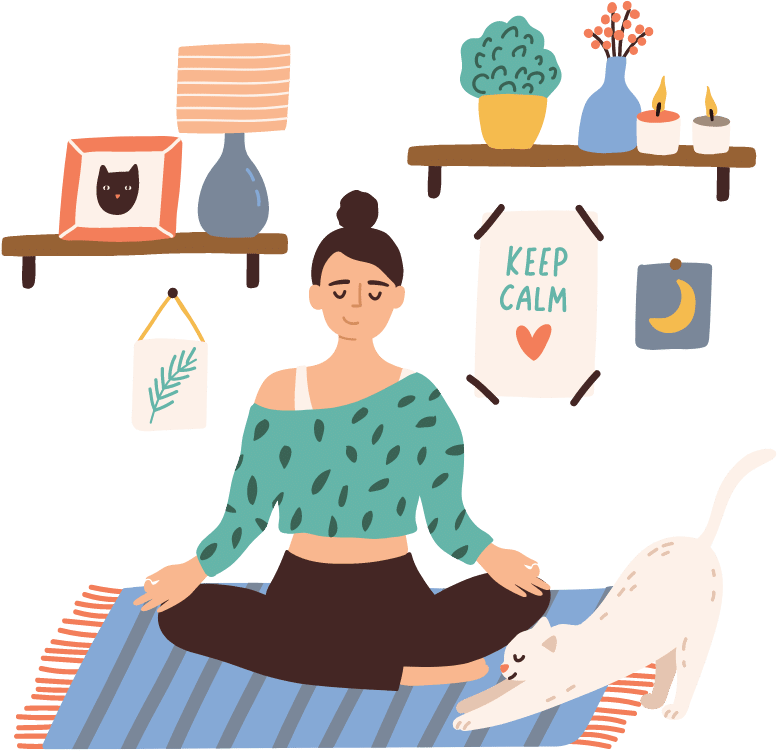
- Self-regulate through mindfulness, or grounding, or sensory activities. Meditation can do wonders for managing troubling thoughts by focusing on being in the present moment and what you are experiencing right now. Grounding is a useful technique to use especially if you have been triggered and are experiencing a panic attack.
- Look after your health. Eat healthily, get enough sleep, manage stress as best you can.
- Find your safe space – it could be literal depending on where you experienced trauma, or it could be someone you trust, and who is supportive and understanding.
- Feel your emotions. This is not always something that we want to do – it’s uncomfortable, and unpleasant, but it’s so important for healing. Allow yourself to feel what you are feeling, sense where you experience it in your body, and through that you can help yourself heal. You don’t have to fully integrate the why, just know the what and the where. You can address the why when you are ready, and when you have help.
- Get to know your triggers. If you can, you can manage these by avoiding them, but what is important is to know what they are so that if you aren’t able to avoid them, then use techniques like breathing meditations, grounding, use sensory items.
- Give yourself time. Healing trauma isn’t an immediate thing, it will take time to work through your emotions, and to process the experience, and it will take a lot of work and time to ease the impact of the trauma. So don’t judge yourself if it’s been years and you’re still not “over it”. It’s ok, the impact of trauma can be visceral and not easily or quickly dealt with.
- Find ways to relax – what are the things that you enjoy? Being in nature, dancing, watching light-hearted TV, reading, writing, colouring. Anything that can put your mind, and body, at ease.
- Build a routine. Consistency is what you need to feel like yourself again. Maybe the routine is different from the one you had before, but it’s important that you have that certainty about what will happen daily, and that you have something to focus on.

Have self-compassion if you are working through a trauma – it’s ok to take a long time, to struggle with the impact of the trauma. Focus on the small steps, or just the impact on your body as a start. Little things each day.
Resources:











 The Mispronunciation of Me